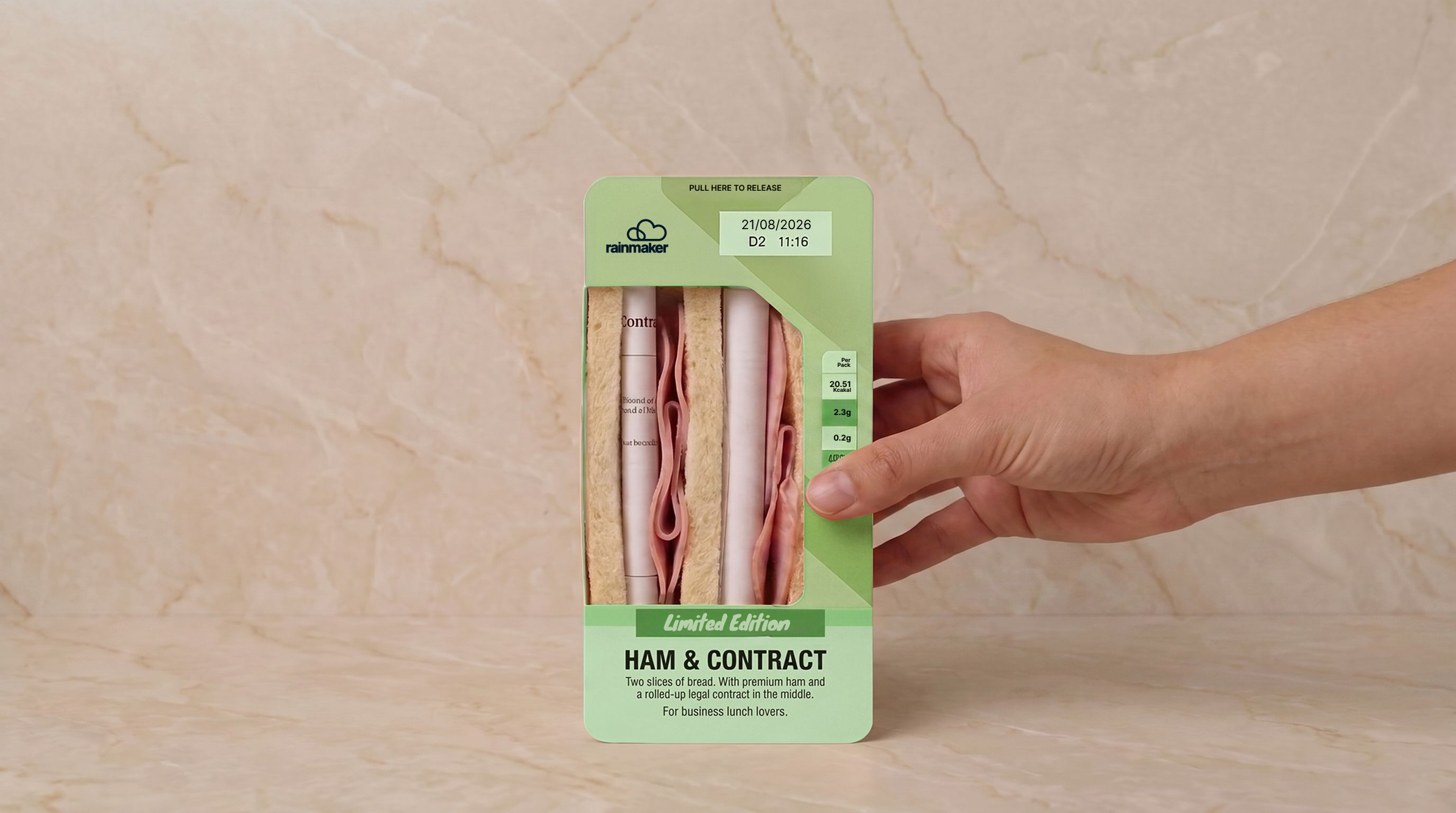
How a corner shop sandwich explains multi-million-pound government contracts.
Somewhere out there is a food inspector driving between abattoirs with a patchy signal, desperately trying to file an online report.
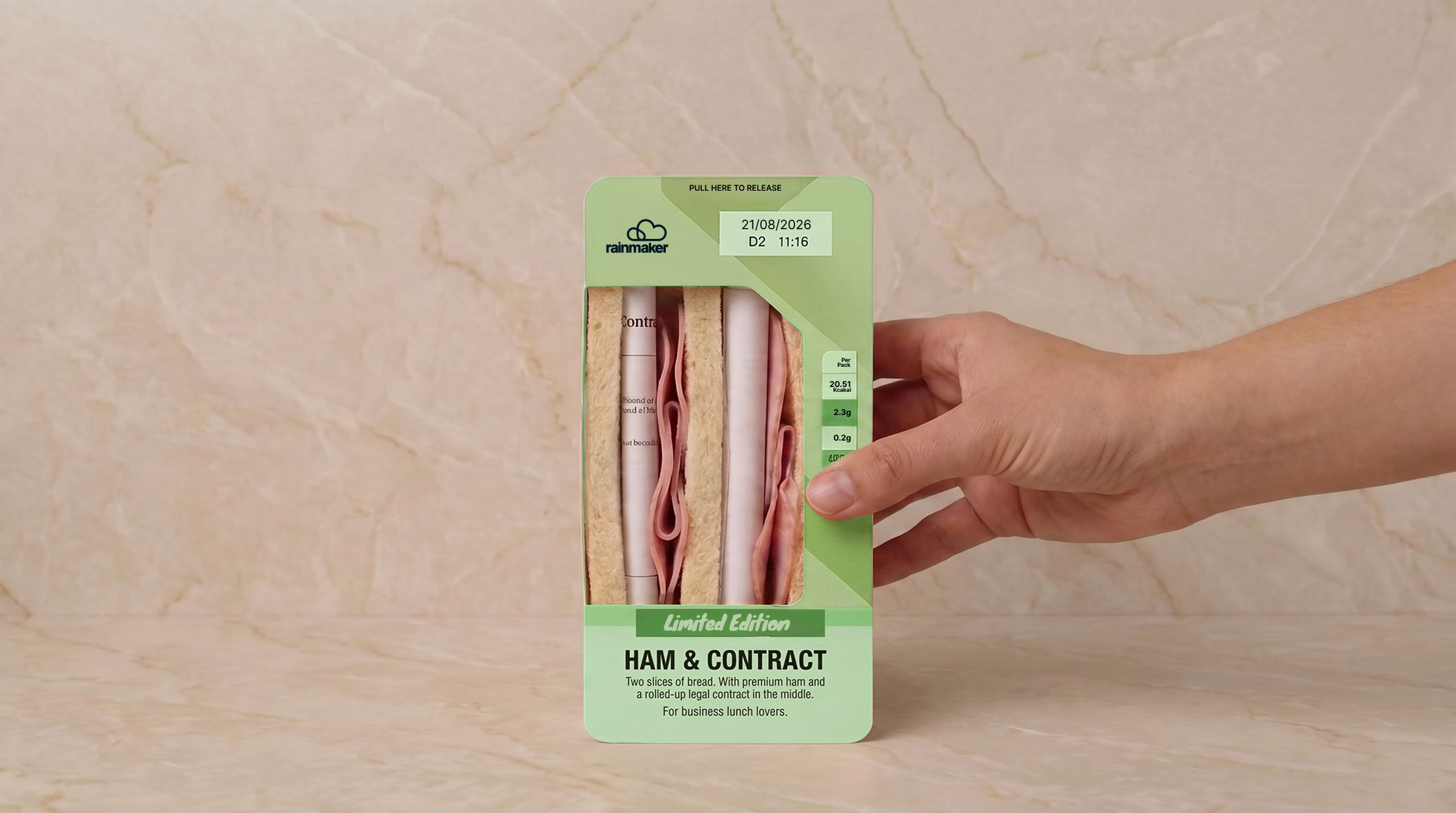
At the same time, someone's holding a sandwich from a shop that also sells phone chargers, birthday cards, and sewing kits of all things.
Neither looks like it has anything to do with a multi-million-pound government contract. But when we worked with the Food Standards Agency to modernise how technology operated across the organisation, it became clear that both were symptoms of the same thing: a single supplier doing everything for everyone for years.
That shop that sells ‘everything under the sun’.
You know the shop. You go there because it's close and saves a second trip, not because the sandwiches are any good. That trade-off is fine for a phone charger, but it's harder for anything requiring actual expertise. Give one person the hot food counter, the chilled meat, and the sewing kits, and something is always being run by instinct rather than training.
The FSA had its own version of this, minus the sewing kits. One supplier, one contract, one price, covering everything from desk-based policy staff to field inspectors. It was easy to set up, but nobody’s job to check whether it still made sense five years on. The market moved; the contract didn't. The result was a polite way of saying: paying more for less.
Butcher, baker, candlestick maker.
The old high street solved this problem long ago. The butcher only ever talked about meat. The baker had one job and did it properly.
The FSA returned to that logic. Instead of one supplier holding everything, the work was split into eight separate lots, matched to what specific parts of the market were actually good at. More suppliers to manage, undoubtedly. But it's the same trade-off as walking past the convenience store to go to the actual butcher: more stops, considerably better meat.
The shop with one delivery slot.
A shop tied to a single wholesaler doesn't just risk mediocre bread; it risks an empty shelf the day that van doesn't turn up. A contract built for a stable world assumes the van always comes on Tuesday.
That was precisely the exposure the FSA was carrying, at the worst possible moment. EU Exit meant nobody knew exactly what new checks or ways of working the department would need, or when. Splitting the supply across eight relationships meant no single missed delivery could take the whole thing down.
Know what's in your own fridge
If the only person who can tell you something's still good is the one who sold it to you, you're not deciding anything; you're just hoping in the direction of someone with a financial interest in your optimism.
Eight new supplier relationships meant eight new things to actually understand, not just eight invoices to pay. Alongside splitting the contract, the FSA brought supplier management back in-house. More work for less convenience, but it meant catching a bad supplier early rather than staying at the mercy of whoever was behind the counter that week.
Cost of delivery came down 40%. That's roughly what happens once a contract catches up with a market that moved on years before, and an organisation becomes the kind of customer suppliers can't quite take for granted.
“I haven’t seen anything like this before. This is the standard that all of government should be working to.”
3 Questions
For the "It's Just Easier
With One Supplier" department.
01
Where's your corner shop?
Not your worst supplier. The one that's become too convenient to question.
02
Are you paying for expertise, or for avoiding a second phone call?
Both are legitimate. Only one of them is worth what you're paying for it.
03
If that supplier vanished tomorrow, what oversight vanishes with them?
That's your real risk register. Everything else is just the slide deck version.
What next?
If any of this sounds like your own organisation's version of the shop that sells everything, we'd be glad to talk it through. Read the full FSA case study, or get in touch about the supplier relationship you've stopped questioning.
You may also like these.